

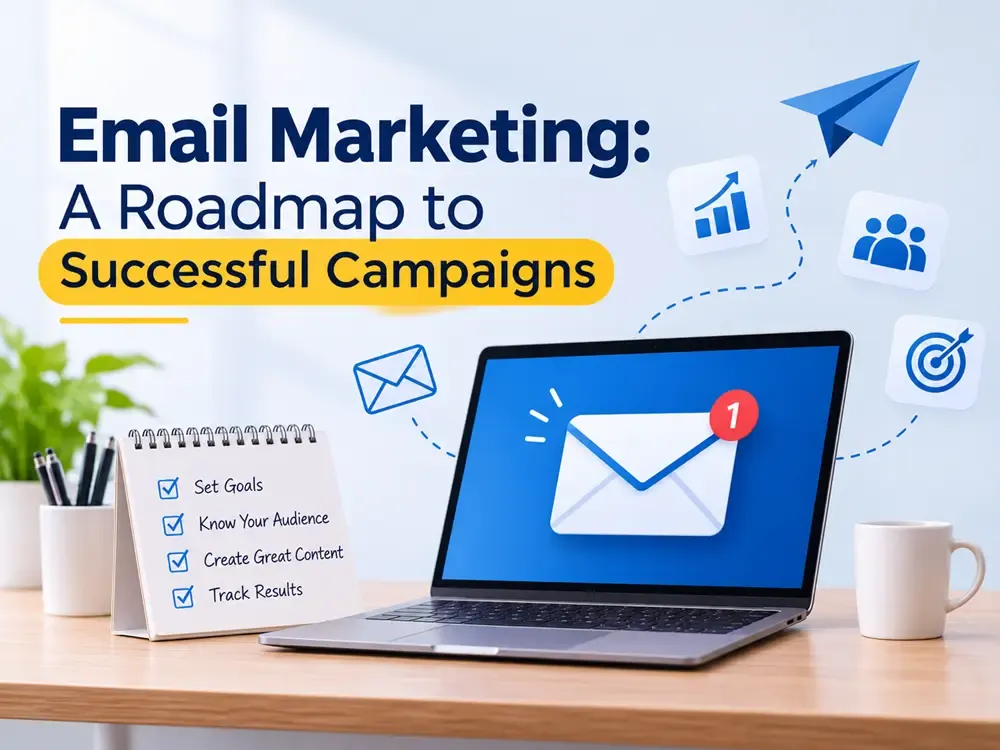
Explore email marketing strategies, learn how to create effective email campaigns, engage subscribers, and achieve better marketing results.
Email marketing remains an important part of digital marketing because it gives businesses a direct way to communicate with their audience. From introducing a new product to sharing company updates and encouraging repeat purchases, a well-planned email campaign can support different business objectives. However, successful email marketing involves more than sending promotional messages. It requires understanding the audience, creating relevant content, choosing the right timing and measuring results. This guide explains how businesses can plan, execute and improve email marketing campaigns, along with practical steps and best practices to follow.
What Is Email Marketing and How Does It Work?
Email marketing is a digital marketing practice through which businesses communicate with customers and potential buyers using email. These messages may include newsletters, product announcements, special offers, service updates or personalised recommendations.
The process generally begins with collecting email addresses from people who have agreed to receive communication. Businesses then organise these contacts, create relevant messages and send them using an email marketing platform.
Unlike social media communication, where visibility depends partly on platform algorithms, email allows businesses to reach subscribers directly in their inboxes. Its effectiveness, however, depends on the relevance of the message and the recipient's interest.
Why Is Email Marketing Important for Businesses?
Email marketing helps businesses maintain communication with their audience beyond an initial website visit or purchase. It can support several objectives:
- Customer retention: Regular updates and useful information help maintain relationships with existing customers.
- Lead nurturing: Businesses can share relevant content with potential customers as they move towards a purchase decision.
- Brand awareness: Consistent communication keeps a brand familiar to its subscribers.
- Sales and conversions: Targeted offers, product updates and reminders can encourage customers to take action.
- Performance tracking: Email platforms provide data that helps businesses understand how recipients interact with their messages.
The value of an email campaign lies in delivering relevant information rather than simply increasing the number of messages sent.
Types of Email Marketing Campaigns
Different email campaigns serve different purposes. Choosing the right format depends on the audience, business goals and stage of the customer journey.
1. Welcome Emails
Sent when someone subscribes to a mailing list or creates an account, welcome emails introduce the business and explain what subscribers can expect.
2. Promotional Emails
These messages highlight product launches, seasonal discounts, special offers and limited-time deals to encourage purchases.
3. Newsletters
Newsletters share regular updates, industry insights, company news, educational content or curated resources with subscribers.
4. Abandoned Cart Emails
E-commerce businesses use these emails to remind customers about products they added to their shopping carts but did not purchase.
5. Re-engagement Emails
These messages target inactive subscribers with relevant updates, incentives or reminders to encourage them to interact with the brand again.
How to Run a Successful Email Marketing Campaign: Step by Step
Running a successful email marketing campaign requires planning, audience understanding and continuous improvement. The following steps provide a practical approach.
Define Your Email Marketing Goals
Start by identifying what you want to achieve. A campaign designed to generate sales will require a different approach from one intended to increase website traffic or build brand awareness.
Common objectives include:
- Generating leads and enquiries.
- Promoting products or services.
- Increasing website visits.
- Improving customer retention.
- Encouraging repeat purchases.
Clear objectives help determine the type of content, audience and performance indicators to focus on.
Identify and Segment Your Audience
Not every subscriber has the same interests or requirements. Segmenting your email list allows you to send relevant messages to different groups.
You can organise subscribers based on:
- Age group or location.
- Previous purchases.
- Browsing or engagement behaviour.
- Product or service interests.
- Customer status, such as new or returning customers.
For example, an online clothing store can send different recommendations to customers interested in men's and women's clothing.
Choose an Email Marketing Platform
An email marketing platform helps businesses manage subscriber lists, create email templates, automate messages and monitor campaign performance.
Some commonly used platforms include:
- Mailchimp.
- Brevo.
- HubSpot.
- MailerLite.
Compare their features, automation options, reporting tools and pricing before selecting one that suits your business requirements.
Create Relevant Email Content
The content should provide a clear reason for subscribers to open and read your message. Avoid filling emails with unnecessary promotional language.
A well-structured email generally includes:
- A clear subject line.
- A short introduction explaining the purpose.
- Relevant information or an offer.
- Supporting visuals, where appropriate.
- A clear call to action (CTA).
For example, an email announcing a new product should explain its main features and direct readers to the product page.
Write Compelling Subject Lines
The subject line is often the first thing recipients notice. It should communicate the purpose of the email without misleading the reader.
Keep it concise, specific and relevant. Avoid excessive capitalisation, unnecessary punctuation and exaggerated claims.
You can also experiment with personalisation, questions or action-oriented language to understand what resonates with your audience.
Design and Schedule Your Email Campaign
Email design affects how easily recipients can read and interact with your message. Use a clean layout, readable fonts, appropriate spacing and properly sized images.
Make sure the email works across desktop and mobile devices. Include descriptive links and a visible CTA so readers can easily identify the next step.
Before sending, test the email to check formatting, links, images and spelling. Schedule it according to your audience's time zone and engagement patterns rather than relying on a universal best time.
Track and Analyse Campaign Performance
Once your email campaign is sent, monitor its performance to understand whether it achieved its objectives.
Important metrics include:
- Open rate: The percentage of delivered emails recorded as opened. Note that privacy features can make this metric less reliable.
- Click-through rate (CTR): The percentage of delivered emails that receive clicks on links.
- Conversion rate: The percentage of recipients who complete a desired action, such as making a purchase or submitting a form.
- Bounce rate: The percentage of emails that could not be delivered.
- Unsubscribe rate: The percentage of recipients who opt out of future communication.
Use these insights to identify areas for improvement in future campaigns.
Email Marketing Best Practices to Follow
Following a few essential practices can improve campaign quality and help maintain subscriber relationships.
- Get permission before sending emails: Build your mailing list through genuine subscriptions and follow applicable privacy and marketing regulations.
- Maintain a clean email list: Remove invalid addresses and manage inactive contacts appropriately.
- Personalise communication: Use subscriber preferences and relevant information to make messages more meaningful.
- Avoid excessive emails: Maintain a consistent schedule without overwhelming subscribers.
- Include an unsubscribe option: Make it easy for recipients to stop receiving marketing communication.
- Test different approaches: Experiment with subject lines, content, CTAs and layouts to identify what works.
Common Email Marketing Mistakes to Avoid
Some common mistakes can reduce the effectiveness of an email campaign. These include purchasing email lists, sending identical messages to every subscriber, using misleading subject lines and neglecting mobile optimisation.
Another frequent mistake is focusing only on open rates instead of examining clicks, conversions and other meaningful actions. Email marketing should be evaluated against its original objectives, not just the number of messages delivered.
Final Thoughts
Successful email marketing depends on sending the right message to the right audience at the right time. A structured approach, relevant content and regular performance analysis can help businesses build meaningful customer relationships and achieve their marketing objectives.
Ready to launch a successful e-mail campaign. Visit Kib Technologies now, and our expert team will help you get started.